At what stage of the infection can HIV be transmitted?
If someone with HIV is taking HIV medication and has an undetectable viral load, they cannot pass on the virus. It can take up to six months on treatment to become undetectable.
Someone with HIV can pass on the virus if they have a detectable viral load.
This often happens during the first few months after infection when the levels of the virus in their body fluids are at their highest and they may not yet have been diagnosed.
This is why testing and early diagnosis are so important – you can start treatment right away to protect your health and reduce your viral load to undetectable levels.
If the person with HIV has a detectable viral load, the virus is free to enter the HIV negative person’s bloodstream. This can happen during vaginal and anal sex (and sometimes oral sex too, though this is much less common).
It can also happen when an object (eg, a sex toy) that has body fluids on it is put inside an HIV negative person during sex.
What is protected sex?
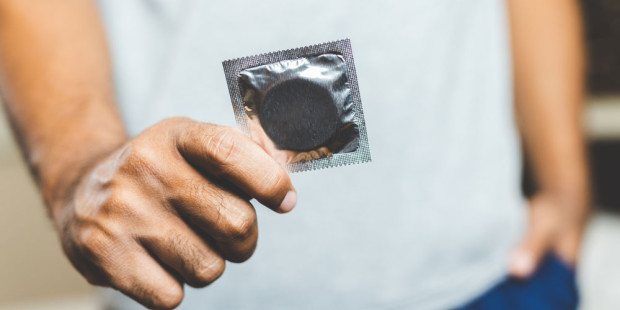
Protected sex means using an external or internal condom during sex if one of you has HIV and a detectable viral load.
HIV treatment (including PrEP) is also a form of protection.
How HIV treatment stops HIV being passed on
A person with HIV who is taking treatment and has an undetectable viral load cannot pass on HIV. (Remember it can sometimes take up to six months on treatment for someone to become undetectable.)
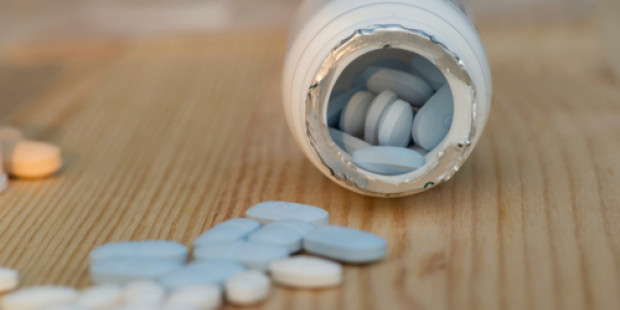
Pre-exposure prophylaxis (PrEP) is a course of HIV drugs taken by an HIV negative person to lower the chance of infection. When taken correctly, PrEP significantly reduces the chances of becoming HIV positive.
Post-exposure prophylaxis (PEP) is a month-long course of HIV medication taken by an HIV negative person after possible exposure to reduce the chance of getting HIV. When started in time, PEP can stop HIV infection after sex without a condom (or other exposure) with someone who has a detectable viral load – but it doesn’t work every time.