For example, there is a stigma attached to having a mental illness, which can make it hard for people to ask for help and support if they’re experiencing mental health problems.
Why is there so much stigma around HIV?
HIV is a medical condition that carries a lot of stigma, usually because people lack information about it or they make moral judgements about how someone has contracted HIV. This is because HIV is mainly transmitted through sex and can be linked to activities such as injecting drugs.
Stigma is often borne out of fear and can take many forms, including:
- hostility
- physical or verbal abuse
- someone being avoided or excluded from activities they used to take part in.
People can experience stigma in any area of their life – within your relationship, family, at work, or at places where you socialise such as church.
If you experience harassment or abuse of any kind it is important to report this to the police or to contact a domestic violence organisation like Refuge.
Quote textI knew there was stigma before I was diagnosed – I knew HIV was a taboo, but it’s difficult experiencing it.


What can I do if I've been stigmatised for my HIV?
If you feel you have been stigmatised when you have used a public service, such as healthcare, you can report this or make a complaint. Your local Patient Advice and Liaison Service (PALS) can help you address what has happened.
You might find that you stigmatise yourself for having HIV. This can take the form of thinking that you’re somehow 'dirty' or 'shameful' and that you don’t deserve to have a partner, children, friends or work. Unfortunately this is a common reaction and you may need help to overcome it and move forward with your life.
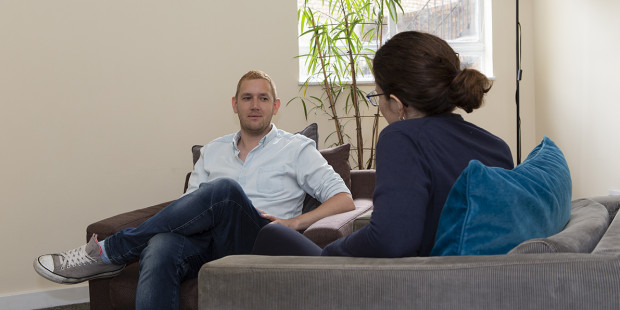
Talking to someone like a counsellor can help, or you may want to join a group for people living with HIV.
You can also find plenty of free support online. You can join our My Community Forum for people with HIV.
Remember that people living with HIV are protected by the Equality Act 2010 from the time they’re diagnosed. This makes it illegal for employers to discriminate against you on grounds of disability, which includes living with HIV.