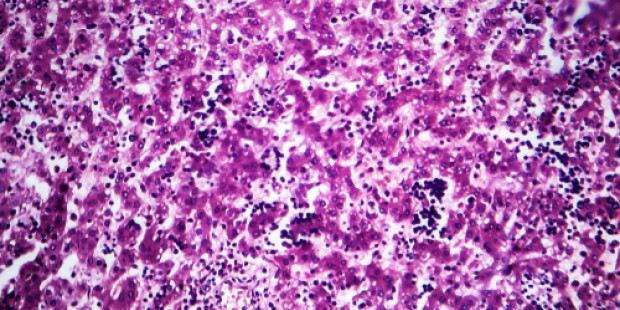
Hepatitis A is a form of hepatitis caused by a virus that infects the liver. It’s easy to pass on during sex or get from contaminated food and water. Nearly everyone makes a full recovery.
Hepatitis A symptoms
Hepatitis A symptoms can be so mild you may not realise you have it, but up to six weeks after infection it can cause:
- mild flu-like symptoms
- diarrhoea
- nausea
- extreme tiredness
- itchy skin
- stomach pain
- jaundice, where your skin and the whites of your eyes turn yellow, your urine turns dark and your faeces (poo) turn pale.
Symptoms can last several weeks and it can take months to get back to normal.
How it's passed on
Someone with hepatitis A is most infectious two weeks before jaundice appears.
The virus lives in faeces (poo) and tiny traces of it carry the infection on the hands or on food prepared by an infected person. Water can also be contaminated, especially abroad.
The virus needs to get into the mouth to infect someone. This can happen during sex when tiny amounts of faeces get on fingers and into mouths through:
- rimming
- fingering
- anal sex without condoms
- handling used condoms and sex toys that have been in someone else’s anus.
How can I protect myself and others?
You can protect yourself by getting vaccinated. It's especially important to do if you:
- have close contact with someone who has the infection
- are a gay or bisexual man or have sex with men who have sex with men (MSM)
- inject drugs
- travel to parts of the world where the infection is common.
You might be able to get vaccinated for free by your GP or a sexual health clinic. The vaccine protects you for 10 years or longer.
Although not as good as being vaccinated, you can also cut the risk by:
- avoiding sex that involves contact with faeces
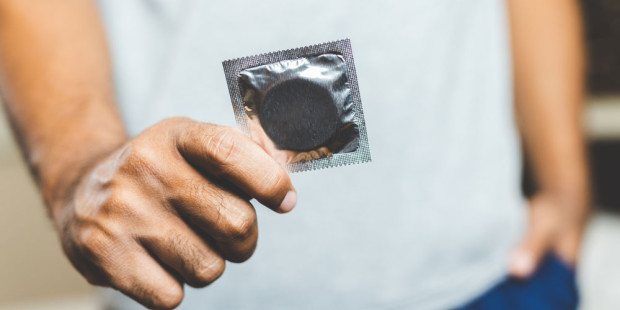
- using condoms for anal sex
- washing hands after touching someone’s anus or handling used condoms and sex toys
- using a latex barrier (like a condom cut into a square) for rimming and latex gloves for fisting.
What should I do if I have hepatitis A?
Tell people you live with or have recently had sex with to ask their doctor about having an urgent vaccination.
Avoid sex and preparing food for others until you’re told you’re no longer infectious.
If you're not vaccinated and are exposed to hepatitis A, you could still be protected from infection by a drug called human normal immunoglobulins (HNIGs). This can be given within two weeks after exposure and it can protect you for up to three to six months.
If you are pregnant and think you may have been exposed to hepatitis A you should discuss testing with your doctor or midwife. Having hep A while pregnant can increase the likelihood of experiencing a miscarriage or a premature birth.
Treatment for hepatitis A
Most cases are diagnosed by GPs rather than sexual health clinics and no special treatment is needed.
A blood test will confirm whether you have picked up the virus.
The usual treatment for hepatitis A is simply to rest. You may need some time off work while you recover from the flu-like symptoms.
You should also:
- avoid paracetamol
- avoid recreational drugs to allow your liver to get better
- avoid alcohol until your liver recovers.
Once you have had hepatitis A you’re immune and cannot get it again, but you can still get other types of hepatitis.
HIV and hepatitis A
If you're living with HIV and also have hepatitis A, please see our information on hepatitis A co-infection.