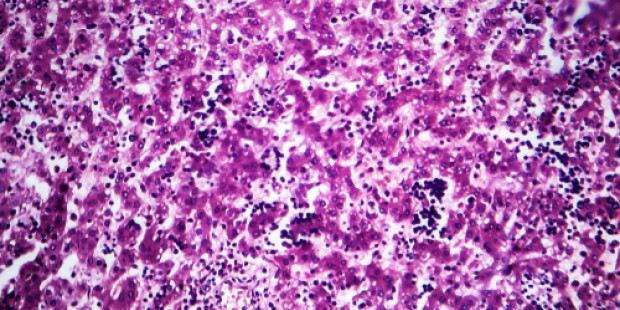
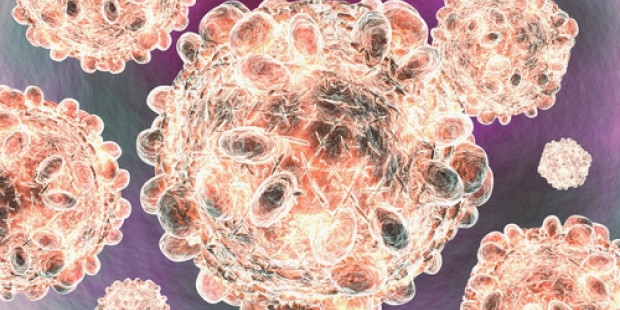
Having a healthy liver is especially important for people living with HIV.
The liver plays an essential role in processing medicines used to treat HIV and other conditions. Viral infections that affect the liver, such as hepatitis A, B and C can prevent the liver from processing medicines properly.
Having both HIV and hepatitis B is often described as co-infection.
What are the symptoms of hepatitis B?
Many people don't notice any symptoms at all. Hepatitis B might only be diagnosed through routine health monitoring.
However, early hepatitis B infection might appear with the following symptoms:
- jaundice (yellowing of the eyes and skin)
- loss of appetite
- pain in the abdomen
- nausea or vomiting (feeling or being sick)
- muscle and joint aches
- fever.
Symptoms usually last between one and three months (known as acute hepatitis B). Most people with acute hepatitis B will clear the virus themselves and become immune. If this doesn't happen, the infection becomes chronic.
What is chronic infection with hepatitis B?
Early in the infection, most people will clear the virus without treatment and develop protective immunity. However, in 5-10% of adults hepatitis B continues to reproduce in the body long after infection. These people become chronically infected with hepatitis B, meaning that they continue to be infectious – although they may not experience any symptoms at all, or not for many years.
People living with HIV, especially if they have a low CD4 cell count, are less likely to clear the virus naturally than people without HIV.
Without treatment, some people with chronic hepatitis B eventually develop cirrhosis of the liver. About one in 20 people with cirrhosis will go on to develop cancer of the liver.
How should the liver be monitored?
Everyone with HIV should have regular tests to monitor the health of their liver. These tests are especially important in cases of coinfection with hepatitis B. In those cases, doctors should closely monitor liver function using blood tests.
Ultrasound examinations may also be performed, particularly if the liver shows signs of damage. Another test, called a FibroScan, can also test the liver for cirrhosis or fibrosis.
Sometimes, people also need a liver biopsy, where a tiny piece of tissue from the liver is removed for investigation.
How is hepatitis B transmitted?
Hepatitis B is passed on by contact with:
- blood
- semen
- saliva (containing blood) or
- vaginal fluids of a person with hepatitis B.
It's easily passed on:
- during unprotected sex (including oral sex)
- by sharing injecting equipment
- in childbirth during delivery.
It can also be passed on through:
- infected blood getting into an open wound
- tattooing or body piercing done with contaminated equipment
- using items such as toothbrushes or razors contaminated with infected blood.
Hepatitis B is many times more infectious than HIV and it can survive outside the body in dried blood for at least a week.
How can infection with hepatitis B be prevented?
Hepatitis B can be avoided by:
- using a condom during vaginal or anal sex
- using a condom or dental dam during oral sex
- not sharing sex toys
- not sharing drug-taking and injecting equipment.
If you're living with HIV, do not have hepatitis B, and a test shows that you’re not naturally immune against hepatitis B, you should be vaccinated.
People living with HIV can lose their immunity to hepatitis B if their immune system weakens, and should have their level of immunity checked regularly to see whether they need a booster dose of the vaccination.
There is a combined vaccination for hepatitis A and hepatitis B, though it might be less effective than the separate vaccinations for people with a low CD4 count or a detectable viral load. Ask your doctor which would be most suitable for you.
How is hepatitis B diagnosed?
Everyone should be tested for hepatitis B soon after their HIV diagnosis to see if they have been infected with the hepatitis B virus as well. This is done through a blood test.
In the UK, you will be screened for hepatitis B during pregnancy. If you have hepatitis B, your baby can also be vaccinated soon after birth to prevent the infection being passed on to them.
Looking after your liver when you have hepatitis B
Doing the following can help you look after yourself:
- Have lots of rest.
- Drink plenty of fluids.
- Stick to a healthy diet.
- If your skin is itchy (usually when you have more severe liver damage) keep cool, avoid hot showers and baths and wear loose clothes.
- Avoid alcohol and recreational drugs.
- Attend all your medical appointments and check-ups.
Ibuprofen or paracetamol can help with stomach pain in the acute phase. Check with a clinician if you're unsure whether you should take them.
Can hepatitis B and HIV be treated together?
Yes. People with HIV are now recommended to start HIV treatment when they’re diagnosed with HIV, regardless of their CD4 count. The same applies to people who are co-infected with hepatitis B and HIV.
More help
You can call our free helpline THT Direct by email or on 0808 802 1221 for a referral to a clinic.