What is PEP?
PEP (sometimes called PEPSE, or post-exposure prophylaxis following sexual exposure) is a combination of HIV drugs that can stop the virus taking hold. You can take it after you think you might have been exposed to HIV.
To work, PEP must be taken within 72 hours (three days), and should be taken as soon as possible, ideally within 24 hours. PEP is more likely to work the sooner it is taken after exposure.
PEP is not a ‘morning after pill’ for HIV, and it’s not guaranteed to work. It’s meant as an emergency measure to be used as a last resort, such as if a condom fails during sex. Taking PEP will not protect you from other sexually transmitted infections or unplanned pregnancy.
Where can I get PEP?
PEP is available on the NHS for free, but is only given to people who meet guidelines about its use.
The best place to get PEP is a sexual health or HIV clinic. If you need PEP over the weekend or outside of office hours, when clinics will often be closed, the best place to go is an Accident and Emergency department.
PEP is not normally available from GPs.
Your doctor will decide whether you need to take PEP. When you ask for PEP, you might be asked about:
- the person you had sex with (and the chances that they had HIV)
- what kind of sex you had (vaginal, oral or anal)
- if the other person had HIV, what their viral load is.
If the person you had sex with is living with HIV and has an undetectable viral load, you will not need PEP as it won’t be possible for the virus to have been transmitted.
If a doctor decides that it’s appropriate for you to have PEP, you will be asked to take an HIV test. This is to make sure you don’t already have HIV. The test can only tell you if you were HIV positive three months ago, and a negative HIV test does not mean you were not exposed to HIV. If HIV is detected by a test, other forms of treatment will be recommended to you.
How do I take PEP?
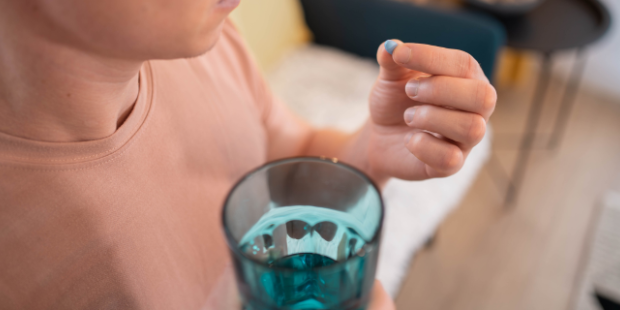
Your doctor will explain how to take PEP when it is prescribed to you. It’s important to take it exactly as you’re told. You’ll be given 28 days of medication and you must take all of it.
- Do not skip a dose or fail to complete the full month, as this makes it less likely to work.
- Do not double a dose if you miss one.
- If you do miss a dose and you remember in less than 24 hours, take it as soon as you remember. If it is almost time for your next dose, skip the missed one and take your next dose as normal.
- If you miss more than 48 hours (2 days in a row) stop taking PEP and contact a doctor.
You will have to take three tablets a day. This is made up of a single tablet of tenofovir disoproxil/emtricitabine (also known as Truvada) and two tablets of raltegravir.
Does PEP have side effects?
Side effects from PEP are likely to be mild and only in the first few days, such as nausea, headaches or tiredness. If you experience more severe side effects, speak to your doctor.
If you get a rash or feel like you have the flu while taking PEP, you should contact a sexual health clinic or doctor as soon as possible. This can be a sign of an allergic reaction to the medicine, or symptoms of an HIV infection.
Will PEP interact with other medicine?
You shouldn’t take antacids (containing aluminium, magnesium or calcium), multivitamins and iron supplements while on raltegravir.
Tell your doctor about any other prescriptions/non-prescriptions/homeopathic remedies you are taking to ensure no there are no interactions with PEP.
Can I take PEP if I am pregnant or breastfeeding?
If you are pregnant or breastfeeding you can still take PEP.
If you're worried that you've been exposed to HIV, it might be well worth finding out more about HIV prevention pill PrEP (pre-exposure prophylaxis). It's available in all UK countries and prevents you getting HIV.
If you want to know more about PEP you can call THT Direct on 0808 802 1221.